


Our products are exported to Europe, Southeast Asia, Korea, Japan, Taiwan and other countries and regions.
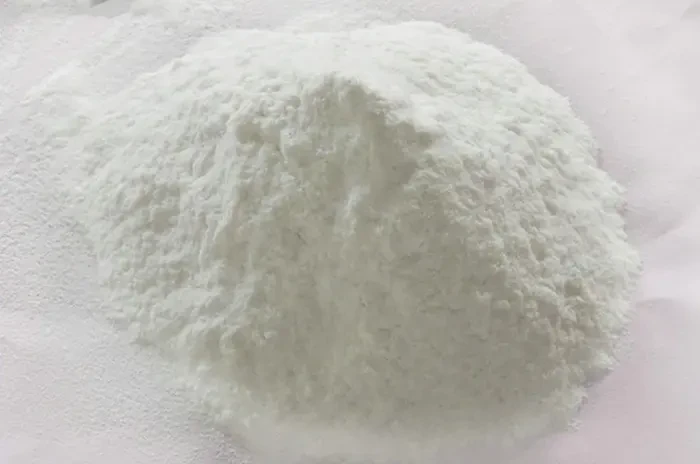

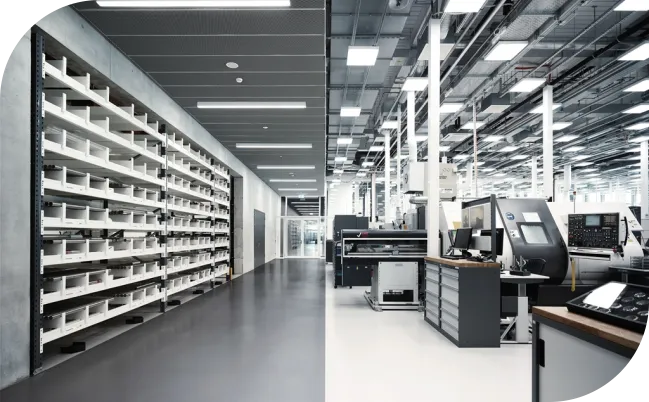
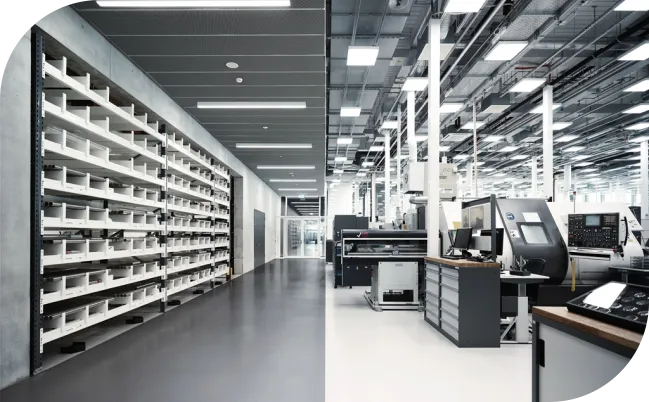

For two years, it has been committed to exporting high-quality peptides, apis, food additives, pharmaceutical intermediates, building materials, food industry raw materials, safe organic solvents, plant extracts, spices, hormones, etc.
 Pharmaceutical
intermediates
Pharmaceutical
intermediates- Cosmetic raw material
- Food additive
- Basic chemical industry
- Plant extracts
- Veterinary drugs&feed
- Peptide products
sodium periodate price
3-Methylpiperidine: what buyers are really asking for in 2025 If you source fine amines for pharma, agro, or advanced materials, you’ve probably bumped into 3-Methylpiperidine more than once. To be honest, the market has been a bit tight lately—energy costs, compliance upgrades, and, surprisingly, packaging logistics are shaping availability. Here’s the inside track, plus the hard specs buyers keep emailing me about. Quick product snapshot Name: 3-Methylpiperidine (aka 3-Pipecoline; Hexahydro-3-picoline) | CAS 626-56-2 | Formula C6H13N | MW 99.17 | UN No. 1993 (Flammable liquid, n.o.s.). Origin: Jinling Mansions No.106-1 East Yuhua Rd., Shijiazhuang, Hebei, China. Specification Typical value (≈, real-world use may vary) Test method Assay (GC) ≥ 99.0% (typical 99.5%) GC, internal standard (in-house SOP) Water ≤ 0.20% (typical 0.08%) Karl Fischer, ASTM E203 Color ≤ 20 APHA ASTM D1209 Density (20°C) ≈ 0.83–0.85 g/cm³ ASTM D4052 Boiling range ≈ 118–123 °C Distillation, ASTM D1078 Where it’s used (and why it’s popular) Pharmaceuticals: intermediate/base in heterocycle synthesis; salt formation studies in CDMOs. Agrochemicals: building block for selective herbicide and insecticide intermediates. Coatings & adhesives: catalyst/accelerator in epoxy and polyurethane systems; nice balance of basicity and volatility. Oilfield & water treatment: precursor for corrosion inhibitor chemistries. Many customers say they pick 3-Methylpiperidine for its clean GC profile and “predictable base strength”—not my words, but I hear it a lot. And actually, fewer off-notes in cured coatings is a recurring benefit. High-level process flow (supplier-side) Materials: hydrogenation-grade feedstock (e.g., 3-picoline), hydrogen, catalyst. Methods: selective hydrogenation, neutralization, phase separation, fine distillation. QC: GC assay, KF water, APHA color, residue-on-evaporation; COA per batch. Compliance: ISO 9001 QMS; REACH support file on request; GHS labeling. Service life: around 24 months sealed, nitrogen-blanketed drums, cool and dry. Industries served: pharma intermediates, agro, coatings, electronics auxiliaries. Vendor comparison (what buyers compare, honestly) Vendor Assay Lead time Docs & compliance Packaging Sincere Chemicals ≥99.0% (typ. 99.5%) 7–15 days ex-works ISO 9001, REACH support, SDS/COA 25 kg drum, 180 kg drum, IBC General Trader A ≥98.0% 3–6 weeks Basic SDS; limited dossiers Mixed lots; re-branded Lab-Scale Supplier B ≥99.5% (small packs) Stock-dependent Analytical COA only 0.5–5 kg bottles Customization, testing, and real feedback Customization: low-water grade (≤0.05%), tighter color spec, inhibitor-free, nitrogen blanket, custom labels. Test data (example lot): GC 99.52%; water 0.08%; APHA 15; residual toluene < 200 ppm. Certifications: ISO 9001; environmental/occupational systems available on request; SDS aligned to GHS. Customer note: “Cure time in our epoxy primer dropped ~8%,” said a mid-size coatings maker—small but valuable. Mini case studies Agro plant (EU): switched to tighter moisture spec of 3-Methylpiperidine ; crystallization step stabilized, batch rework down ≈12% over a quarter. CDMO (US): requested low-residual solvents; vendor implemented additional polish distillation. Deviations went from “occasional” to “rare”—their words. Safety note: flammable; handle with proper ventilation, bonding/grounding, and compatible seals. Follow SDS and transport rules under UN 1993. Authoritative citations PubChem Compound Summary: 3-Methylpiperidine, CAS 626-56-2. ECHA (European Chemicals Agency) brief profile: 3-Methylpiperidine (substance info, classification & labeling). ASTM E203: Standard Test Method for Water by Karl Fischer Titration. ASTM D1209: Standard Test Method for Color of Clear Liquids (Platinum-Cobalt Scale).
-
 Supplydomestic leading production technology, production capacity and sufficient inventory
 -
 Quality control systemfrom raw materials to finished products, from storage to storage, transportation to the end user, each link is responsible for strict control.
 -
 InnovatingProvide multi-faceted and convenient services to be the most worry-free and assured supplier for customers
 -
 ServiceAny problem with product quality, we promise to return and exchange unconditionally.

If you do not understand, you can contact us at any time for communication and inquiry, we will answer questions for customers in time.

-
 2026-04-02 16:553 methylpiperidine3-Methylpiperidine, a vital chemical compound, plays an essential role in numerous industrial applic
 -
 2026-04-02 16:52iodine and alcoholIodine and alcohol, two ubiquitous substances with distinctive properties, have long played pivotal
 -
 2026-04-02 16:39sodium cmcSodium carboxymethyl cellulose (Sodium CMC) stands out as a multifaceted ingredient that continues t